LIÊN MINH CÀ PHÊ QUỐC TẾ PHỤ NỮ VIỆT NAM
LIÊN MINH CÀ PHÊ QUỐC TẾ PHỤ NỮ VIỆT NAM
LIÊN MINH CÀ PHÊ QUỐC TẾ PHỤ NỮ VIỆT NAM
LIÊN MINH CÀ PHÊ QUỐC TẾ PHỤ NỮ VIỆT NAM
LIÊN MINH CÀ PHÊ QUỐC TẾ PHỤ NỮ VIỆT NAM
LIÊN MINH CÀ PHÊ QUỐC TẾ PHỤ NỮ VIỆT NAM
LIÊN MINH CÀ PHÊ QUỐC TẾ PHỤ NỮ VIỆT NAM
LIÊN MINH CÀ PHÊ QUỐC TẾ PHỤ NỮ VIỆT NAM
LIÊN MINH CÀ PHÊ QUỐC TẾ PHỤ NỮ VIỆT NAM
IWCA VIETNAM ORGANIZES TRAINING OF TRAINERS PROGRAM ON GENER EQUALITY
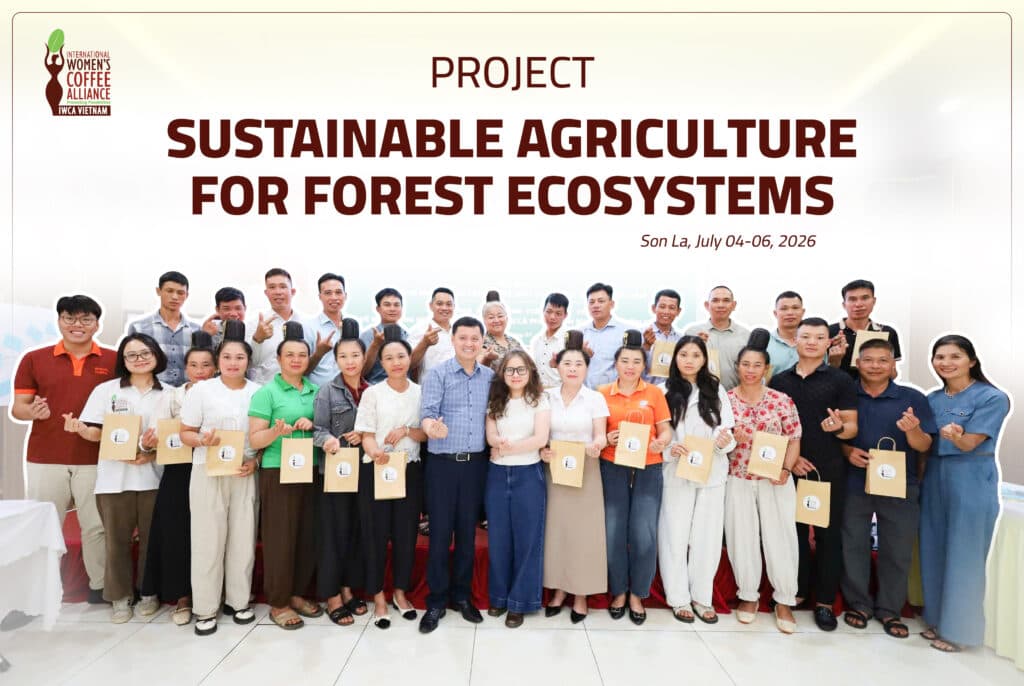
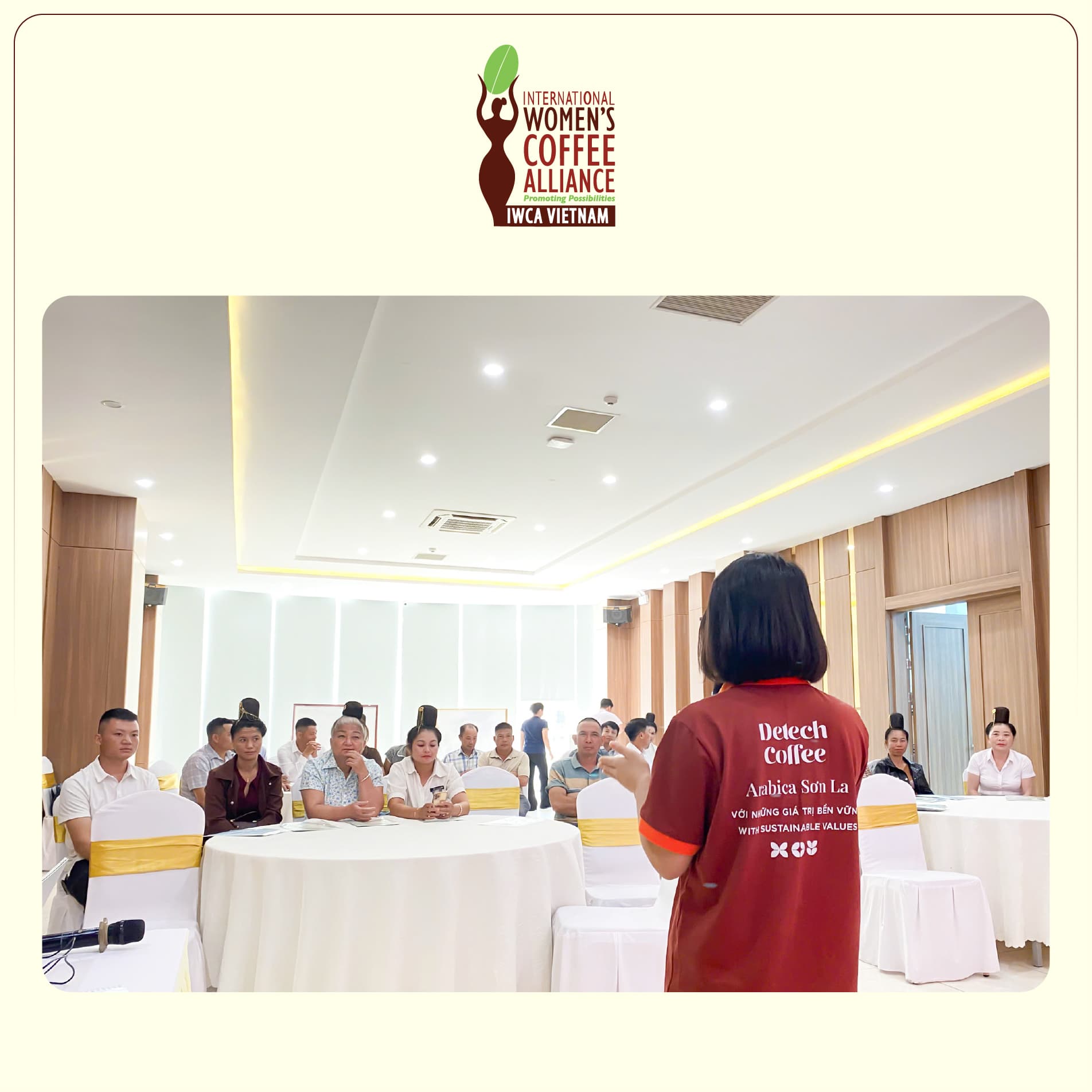
As part of the Sustainable Agriculture for Forest Ecosystems – Vietnam Component (SAFE Vietnam) project, IWCA Vietnam, in collaboration with GIZ Vietnam and Detech Coffee, successfully organized a Training of Trainers (ToT) program on gender equality in Sơn La Province from July 4–6, 2026.
Strengthening the Capacity of Local Trainers in Coffee-Growing Communities
The Training of Trainers (ToT) aims to strengthen the capacity of local trainers who can continue delivering training, providing guidance, and promoting gender equality awareness among communities in coffee-growing areas.
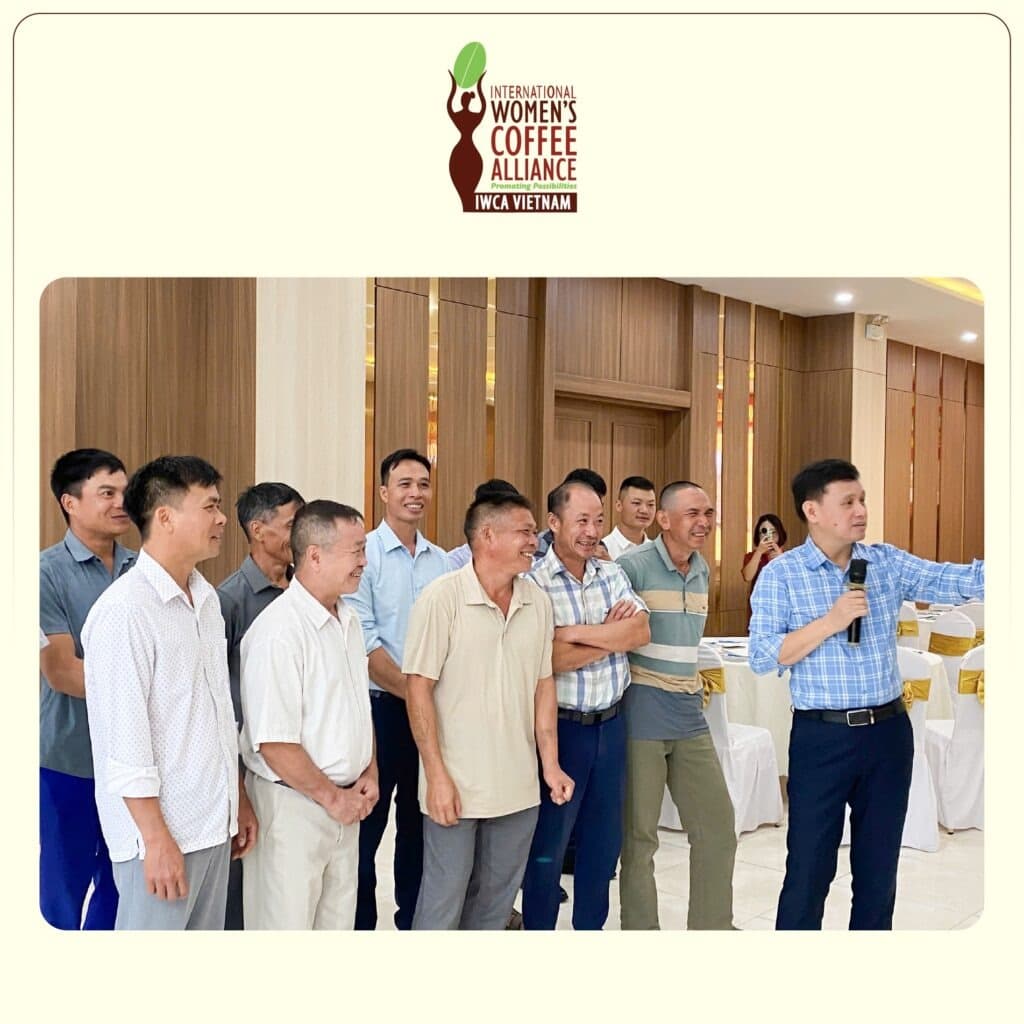
The training brought together 30 local trainers, including village heads and grassroots officials who work directly within their communities. The course was delivered by Mr. Lê Văn Sơn, M.A., a researcher and lecturer specializing in Gender and Development.
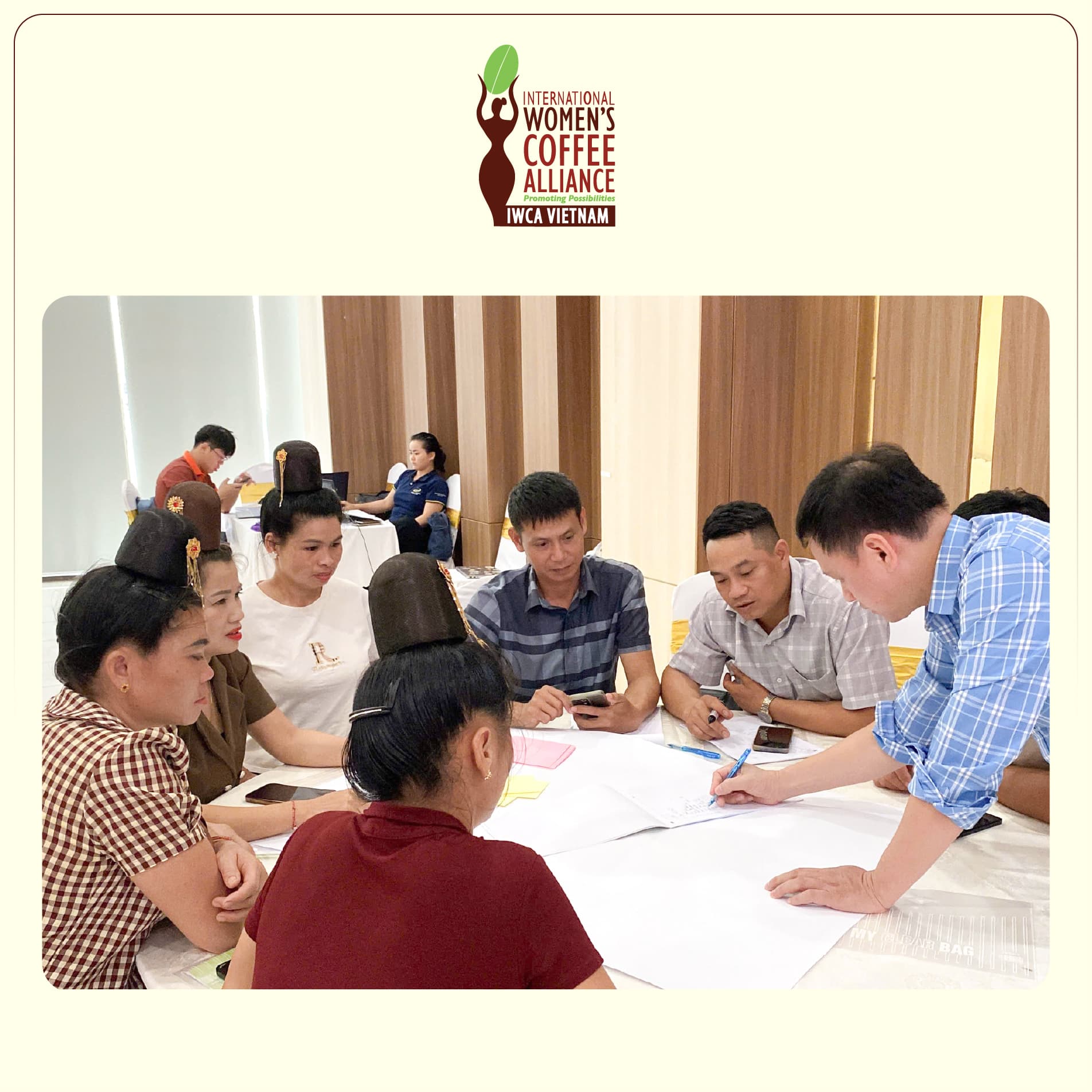
Mr. Le Van Son constantly apply a learner-centered approach to deliver the message towards learners. The lesson combined theoretical knowledge with practical activities, the training created an open and engaging learning environment. Participants were encouraged to exchange experiences, discuss local challenges, and actively participate throughout the sessions.
Equipping Participants with Knowledge to Advance Gender Equality
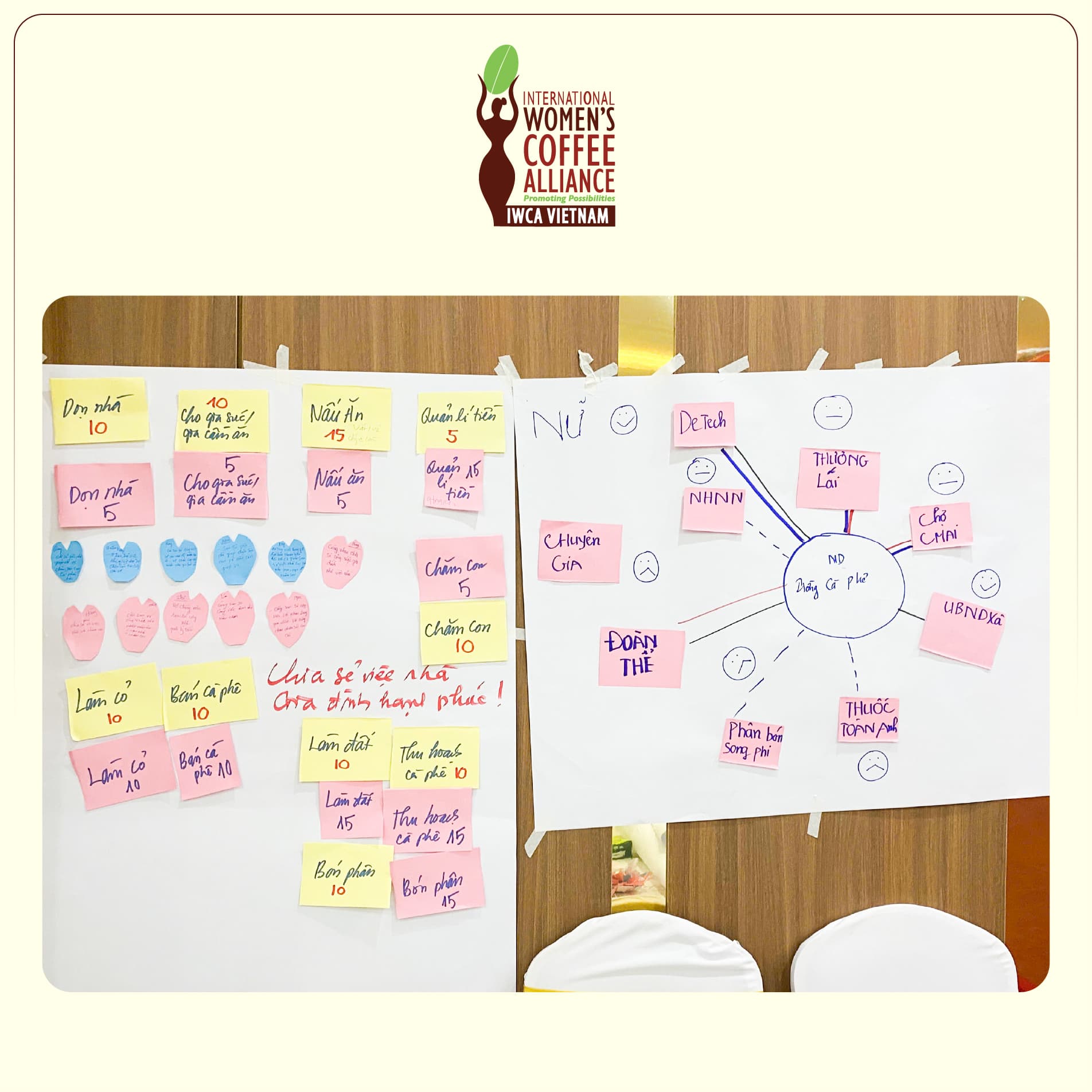
Throughout the three-day program, the training examined the roles of women and men within both the household and the coffee value chain, promoted shared responsibilities in agricultural and household chores, and highlighted the importance of equitable resource allocation within families. It also strengthened participants’ communication, active listening, and participatory decision-making skills.
In addition to learning key concepts, participants took part in group discussions, case study analyses, and experience-sharing sessions based on real-life situations in their communities.
By combining technical content with interactive learning methods, the training not only enhanced participants’ understanding of gender equality but also strengthened their facilitation, communication, and community engagement skills.
Contributing to Sustainable Community Development
Through this Training of Trainers program, IWCA Vietnam hopes that the participants will become active advocates for promoting gender equality within their communities.
Increasing awareness and strengthening women’s equal participation in agricultural production, household economic management, and community development not only contribute to improving the well-being of farming households but also play a crucial role in building a more sustainable coffee value chain.